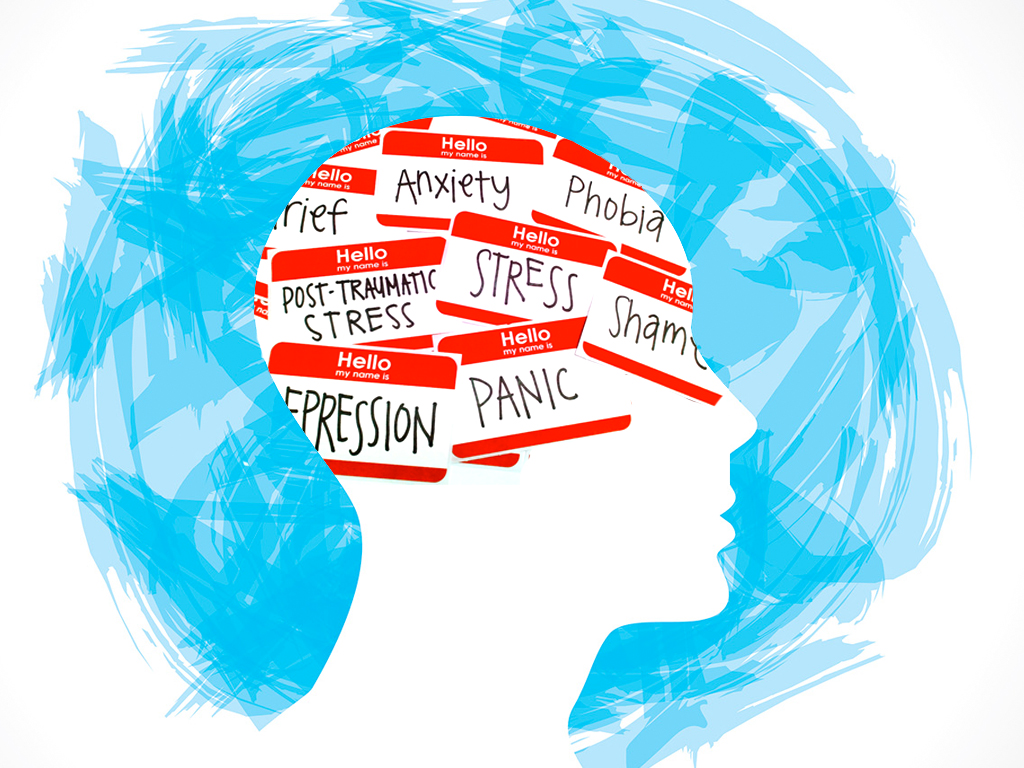
The youth mental health crisis has reached alarming levels, exacerbated by the COVID-19 pandemic. In 2023, surveys revealed that 40% of high school students reported persistent feelings of sadness or hopelessness, with 20% contemplating suicide. This figure rises to nearly 40% among LGBTQ+ youth. The crisis affects various demographics, with girls reporting a higher risk of suicidal ideation at 27%, compared to 14% for boys. The impact is not limited to students; parents often share in their children’s distress, reflecting a wider societal issue.
Read More
Researchers are examining the root causes of this crisis, identifying factors such as climate change, socioeconomic inequality, and increased screen time. However, enhancing protective factors can play a significant role in improving mental health outcomes. A critical protective factor is the presence of supportive schools. A “good school” fosters safety, challenge, belonging, and respect, making it a conducive environment for academic and social success, which in turn promotes positive mental health.
To establish effective schools, a cohesive national blueprint is required, promoting essential ingredients backed by research. Recommendations include:
1. **Equity and High Expectations**: All students must have access to quality curricula that respect their diverse backgrounds. Culturally responsive teaching builds relationships and engagement, fostering a hopeful future for students.
2. **Integrated Support Systems**: Schools should integrate academic and mental health supports. This involves utilizing evidence-based frameworks to tailor interventions for struggling students, ensuring their needs are met through a data-driven approach.
3. **Positive School Climate**: A positive, safe school environment encourages attendance, reduces disciplinary issues, and enhances overall morale. Implementing restorative justice practices and effective discipline can foster trust among students and staff.
4. **Collaboration with Families and Communities**: Building connections between schools and families helps address students’ needs more effectively. Programs should promote inclusive practices that honor diverse perspectives, ensuring every parent feels heard and respected.
At the national level, several strategies are recommended:
1. **Presidential Leadership**: The next President should prioritize policies that strengthen schools’ abilities to support mental health. With 87% of students attending public schools, implementing community-based solutions is vital.
2. **Investment in Workforce**: Schools require skilled personnel to address students’ emotional and educational needs. Federal funding must be enhanced to attract and retain quality educators, especially from diverse backgrounds.
3. **Reinstate the Federal Department of Education**: A robust federal education department is essential for guiding state and local schools. It should promote best practices and ensure accountability in improving student outcomes.
These initiatives are crucial to reversing the current trend and renewing hope for the younger generation. The next Presidential administration has the opportunity to make a significant investment in student mental health, thereby fostering a stronger America.