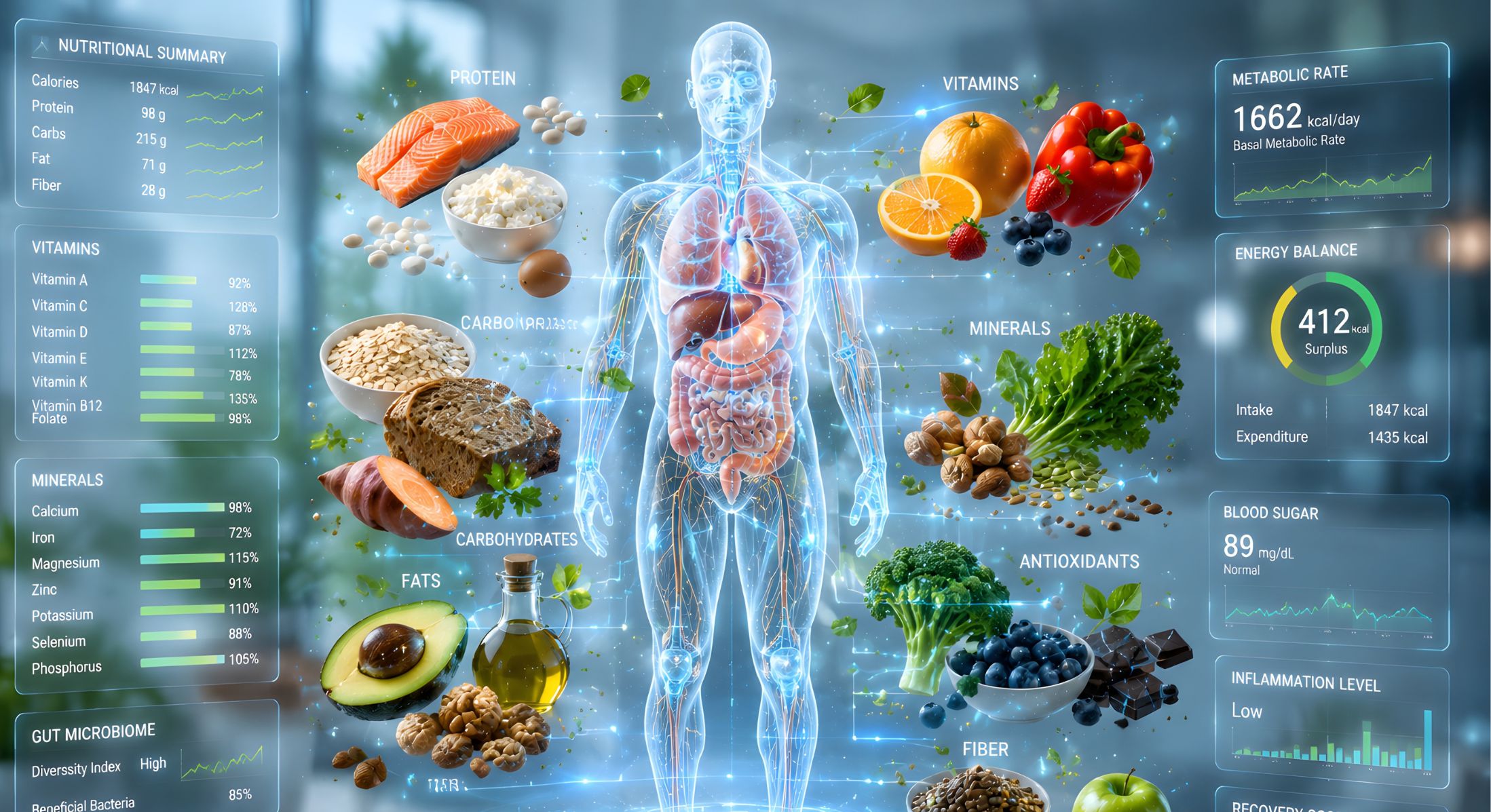
A new study involving 10,068 participants from the Human Phenotype Project has identified species-level, food-specific associations that could inform personalized nutrition strategies. Researchers found that diet is a significant factor influencing the composition of the human gut microbiome, yet there has been limited understanding of how to personalize dietary choices based on an individual's microbiome.
Read More
The study analyzed primarily healthy Israeli adults using app-based dietary logs alongside shotgun metagenomics. Of the participants, 7,998 were studied at baseline, while 2,070 took part in a test set, with 1,654 followed up after two years and 1,412 after four years. For external validation, data from two independent cohorts, one in Australia (n = 118) and another in Israel (n = 188), were also examined.
Researchers quantified the associations between specific foods, dietary patterns, and the gut microbiome. They discovered that diet accounted for 92% of gut species (669 out of 724 species) and 98% of microbial pathways (313 out of 320 pathways) when accounting for age, sex, body mass index, and comorbidities. Minimally processed, nutrient-rich foods were found to positively predict microbial alpha diversity, while ultra-processed foods negatively impacted this diversity, indicating that food processing influences microbial diversity more than whether the diet is animal- or plant-based.
Specific food-microbe relationships were noted, such as positive associations of coffee with the butyrate-producing Lawsonibacter asaccharolyticus, yogurt with Streptococcus thermophilus, and both dairy and bread with Bifidobacterium longum and B. adolescentis. The consumption of nuts and bananas was strongly linked to certain species in the Lachnospiraceae and Clostridium families. Longitudinal analyses revealed that some diet-microbiome associations remained stable over the four-year period.
The researchers also developed a framework for simulating personalized dietary interventions based on anticipated microbiome shifts. For instance, diets that reduced white bread and increased nuts were linked to changes in Akkermansia muciniphila and Faecalibacterium prausnitzii, bacteria associated with cardiometabolic health.
These results underscore the potential for personalized nutrition based on an individual's gut microbiome, suggesting that tailored dietary advice could improve health outcomes. To transition from observation to actionable dietary prescriptions, randomized trials are necessary to assess changes in the gut microbiome resulting from microbiome-targeted diets.
Reference: Segev T, Barak D, Zahavi L, et al. Diet-microbiome associations in 10,068 individuals from the Human Phenotype Project to guide personalized nutrition. Nat Med. 2026; 32(5):1884-1894. doi: 10.1038/s41591-026-04312-x.