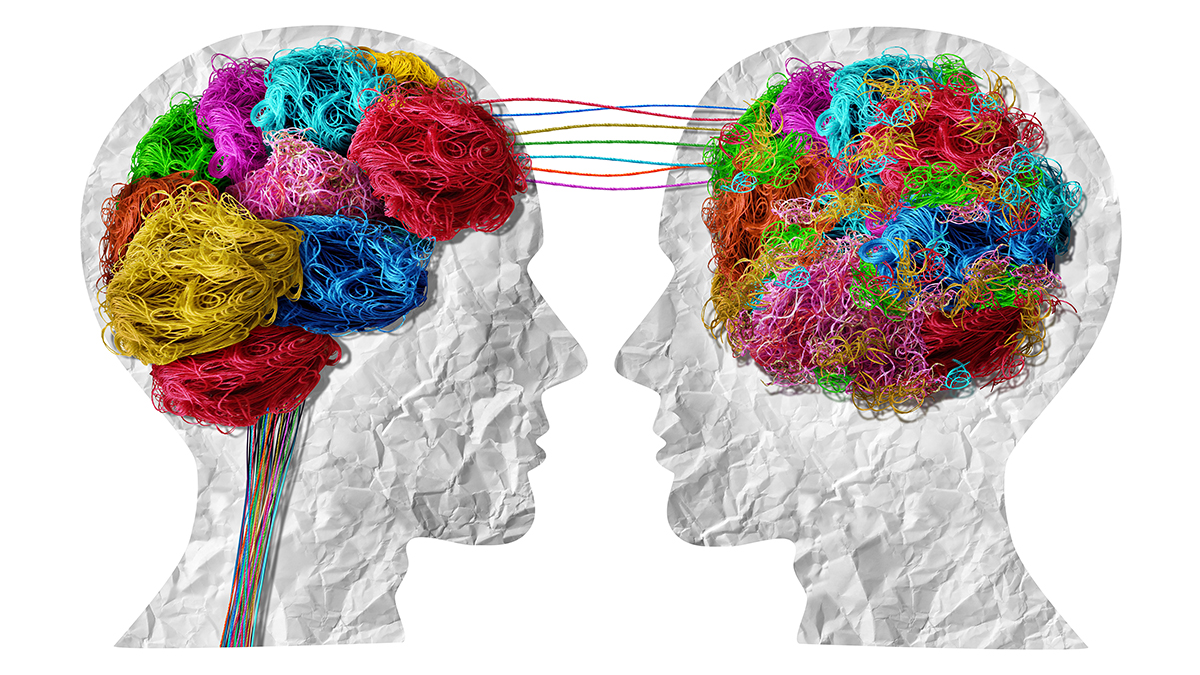
Researchers from the University of Utah are investigating the role of automation and artificial intelligence in psychotherapy, focusing on how these technologies can assist rather than replace human therapists. The team, which includes Brent Kious, Zac Imel, and Vivek Srikumar from the School of Medicine, College of Education, and College of Engineering, respectively, has developed a study titled “A Framework for Automation in Psychotherapy.”
Read More
Zac Imel, a professor of educational psychology, noted that the history of new technology often emphasizes collaboration that supports human experts. He emphasized the importance of understanding different types of work that can be automated within the therapeutic context.
The study categorizes automation in therapy into four levels:
1. **Scripted systems**: Prewritten content provided to patients by chatbots.
2. **AI evaluates therapists**: AI analyzing therapy sessions to provide feedback.
3. **AI assists therapists**: AI suggesting interventions while a human therapist delivers care.
4. **AI provides therapy directly**: An autonomous agent interacting with patients, potentially under supervision.
The researchers assessed the utility and risks associated with each category, noting a wide variability in risk levels between technologies like scripted chatbots and fully autonomous AI therapists. Srikumar pointed out that each level of automation presents unique questions regarding risk, consent, and responsibility.
The study also highlights partnerships with organizations like SafeUT, Utah’s crisis text line, to enhance the evaluation and development of crisis counselors. Kious explained that they aim to create tools that allow counselors to receive feedback on their sessions for skill maintenance and improvement.
Imel noted that current evaluation methods in psychotherapy are labor-intensive and insufficient in addressing mental health needs. He affirmed that large language models could capture essential treatment components more efficiently, providing benefits without risking the quality of care.
While patients can access platforms like ChatGPT for conversational support, the researchers caution that these models do not employ evidence-based psychotherapy techniques and may pose significant risks due to inaccuracies and biases. Srikumar remarked on the value of using less risky automation tools, such as note-taking applications, which can enhance therapists' workflows.
The team envisions AI playing a future role in crisis hotlines, potentially augmenting human counselors to handle high volumes of calls effectively.
The study appears in the April edition of Current Directions in Psychological Science and includes contributions from researchers at the University of Washington, University of Pennsylvania, and the Alan Turing Institute.