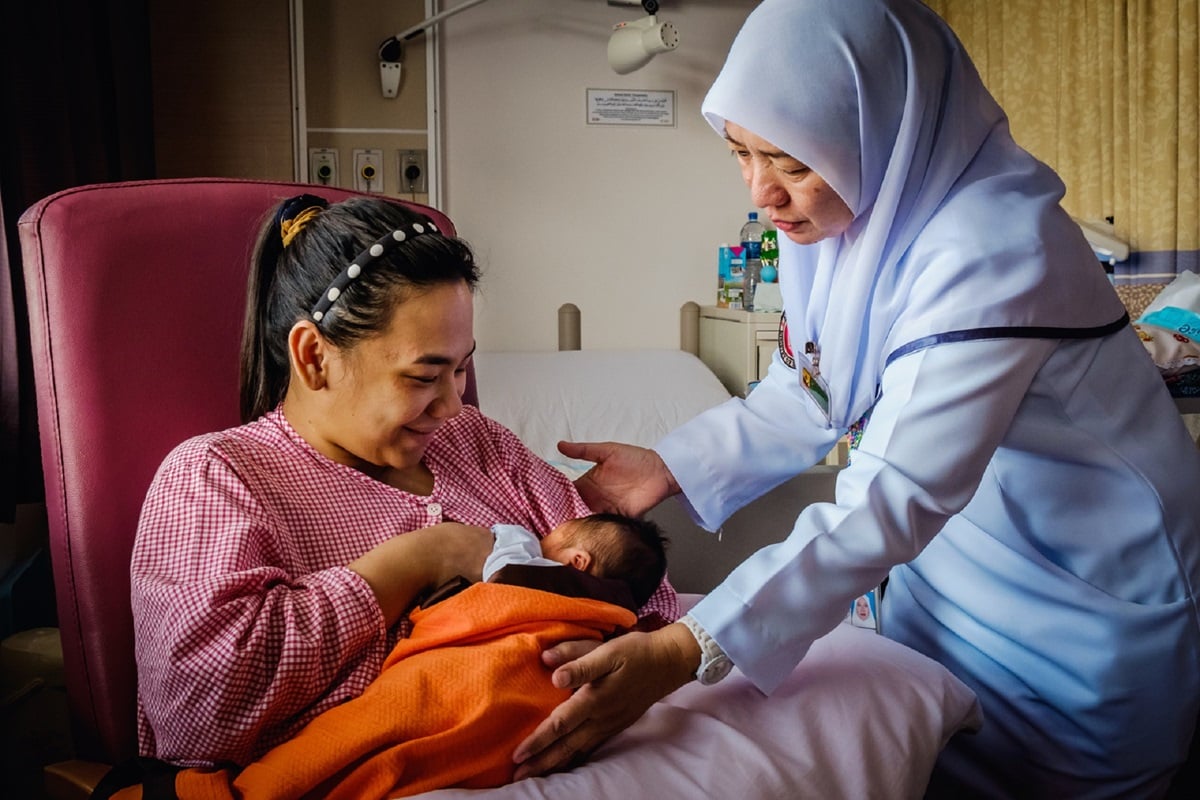
The Convention on the Rights of the Child establishes that every infant and child is entitled to good nutrition. As of 2024, approximately 150 million children under five years were classified as stunted, 43 million as wasted, and 36 million as overweight. Malnutrition is linked to half of all child deaths globally.
Read More
The World Health Organization (WHO) and UNICEF recommend that all infants begin breastfeeding within an hour of birth, receive exclusive breastfeeding for the first six months, and continue breastfeeding up to two years of age or beyond, combined with safe complementary foods. If universal exclusive breastfeeding for the first six months were achieved, nearly 400,000 deaths in children under five could be prevented annually.
Currently, fewer than one-third of children aged 6 to 23 months receive a diet that is adequate in nutritional diversity, and only half are fed sufficient meals daily. Maternal and child malnutrition is attributed to 2.4 million child deaths per year, over 50% of all child fatalities.
Optimal nutrition in the first two years is crucial for reducing morbidity and mortality, lowering chronic disease risks, and promoting overall child development. During the 2018-2025 period, only about 47% of infants aged 0–6 months were exclusively breastfed. Infants of mothers on lifelong antiretroviral therapy (ART) can safely initiate breastfeeding within the first hour after birth and continue for a year or more with minimal risk of HIV transmission.
Breastfeeding lowers the likelihood of severe diseases in children and provides critical nutrients, significantly reducing mortality rates from illnesses like pneumonia and diarrhea. Benefits extend into later life, with breastfed individuals facing lower obesity risks, better cognitive outcomes, and higher educational attainment. The underfunding of breastfeeding support results in an estimated global economic loss of $339 billion yearly.
Breastfeeding also has health benefits for mothers, including lower risks of certain cancers and improved maternal health outcomes. Supporting breastfeeding involves the implementation of policies like the International Labour Organization’s Maternity Protection Convention, restricting formula marketing, and integrating breastfeeding standards in maternity services.
The World Health Organization is dedicated to enhancing maternal and child nutrition through a comprehensive implementation plan, aiming for a 60% exclusive breastfeeding rate by 2030. WHO and UNICEF have established the Global Breastfeeding Collective and the Global Complementary Feeding Collective to promote supportive policies and improve nutrition for children aged 6 to 23 months.
Efforts include training health workers to provide comprehensive infant feeding support and guidelines tailored to the needs of HIV-infected mothers. Special consideration is necessary for families in challenging situations, with breastfeeding remaining the preferred feeding mode where possible. WHO is committed to aiding countries in enhancing nutritional support for mothers and children.