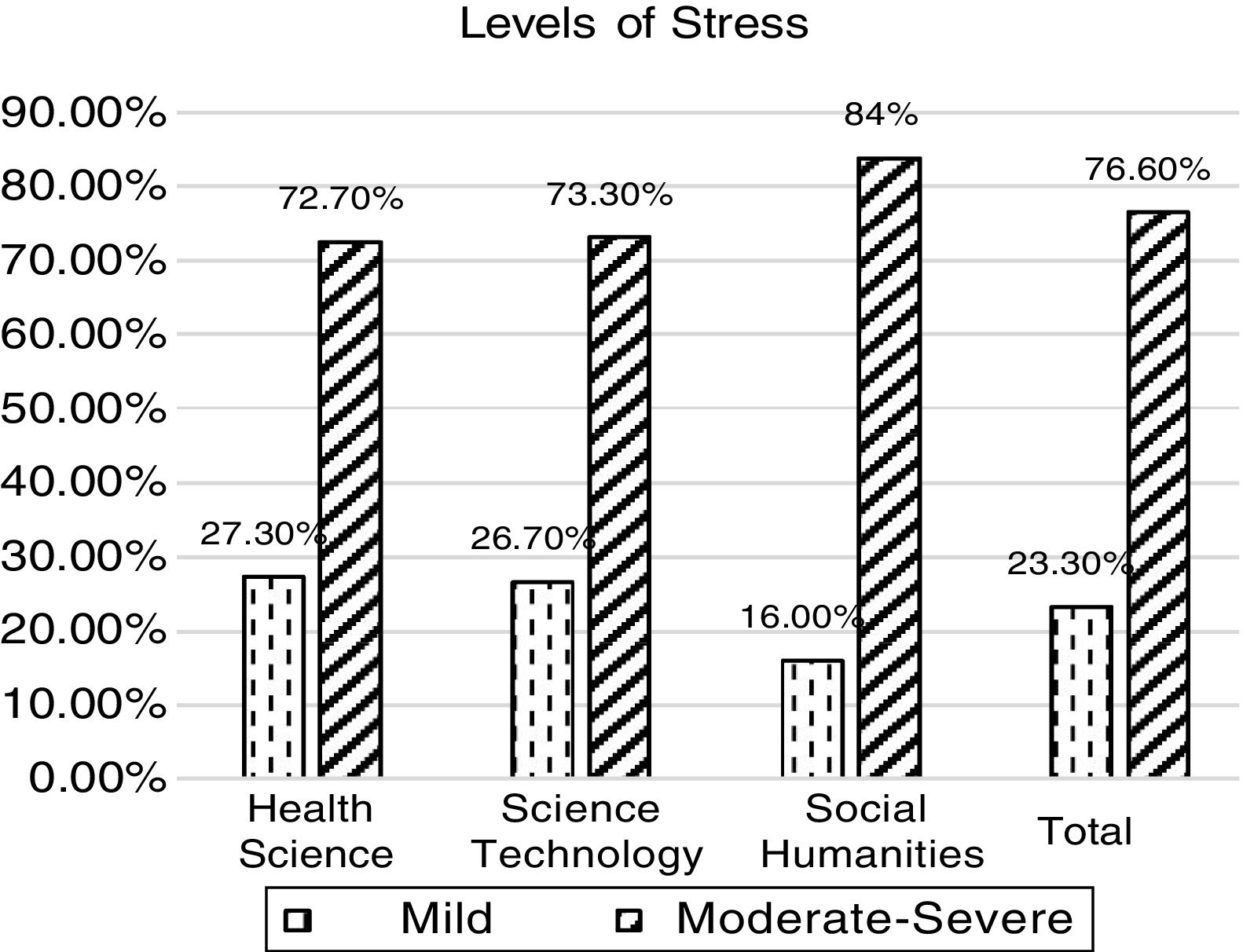
A study conducted at Universitas Indonesia investigated the prevalence and correlation of sleep quality and stress among college students. Utilizing a cross-sectional approach, the research included 450 students selected through stratified random sampling. Participants completed a self-administered questionnaire that assessed sleep quality using the Pittsburgh Sleep Quality Index (PSQI) and stress levels measured by the Perceived Stress Scale (PSS).
Read More
The analysis revealed a significant relationship between sleep quality and stress levels, with a p-value of 0.001, indicating that students with poor sleep quality are 4.7 times more likely to experience higher stress compared to those with good sleep quality. The findings, which were analyzed using the Chi-square test, suggest a strong link between sleep quality and stress levels, particularly noted among students in the social humanities cluster, where 82.7% reported poor sleep quality.
The study showed that overall 76.4% of students reported poor sleep quality. In terms of stress, 76.6% experienced moderate to severe stress levels. These results align with previous studies indicating a high prevalence of poor sleep quality among students, as factors such as academic pressure, extracurricular activities, and personal commitments contribute to inadequate rest.
Long-term effects of poor sleep quality can lead to serious health issues, including anxiety and depression, further emphasizing the need for effective stress management interventions. The authors recommend implementing stress management strategies to improve sleep quality among students.
This research received funding from Hibah PITTA 2018 and presents essential insights into the well-being of students at Universitas Indonesia, highlighting the interconnectedness of sleep and stress.