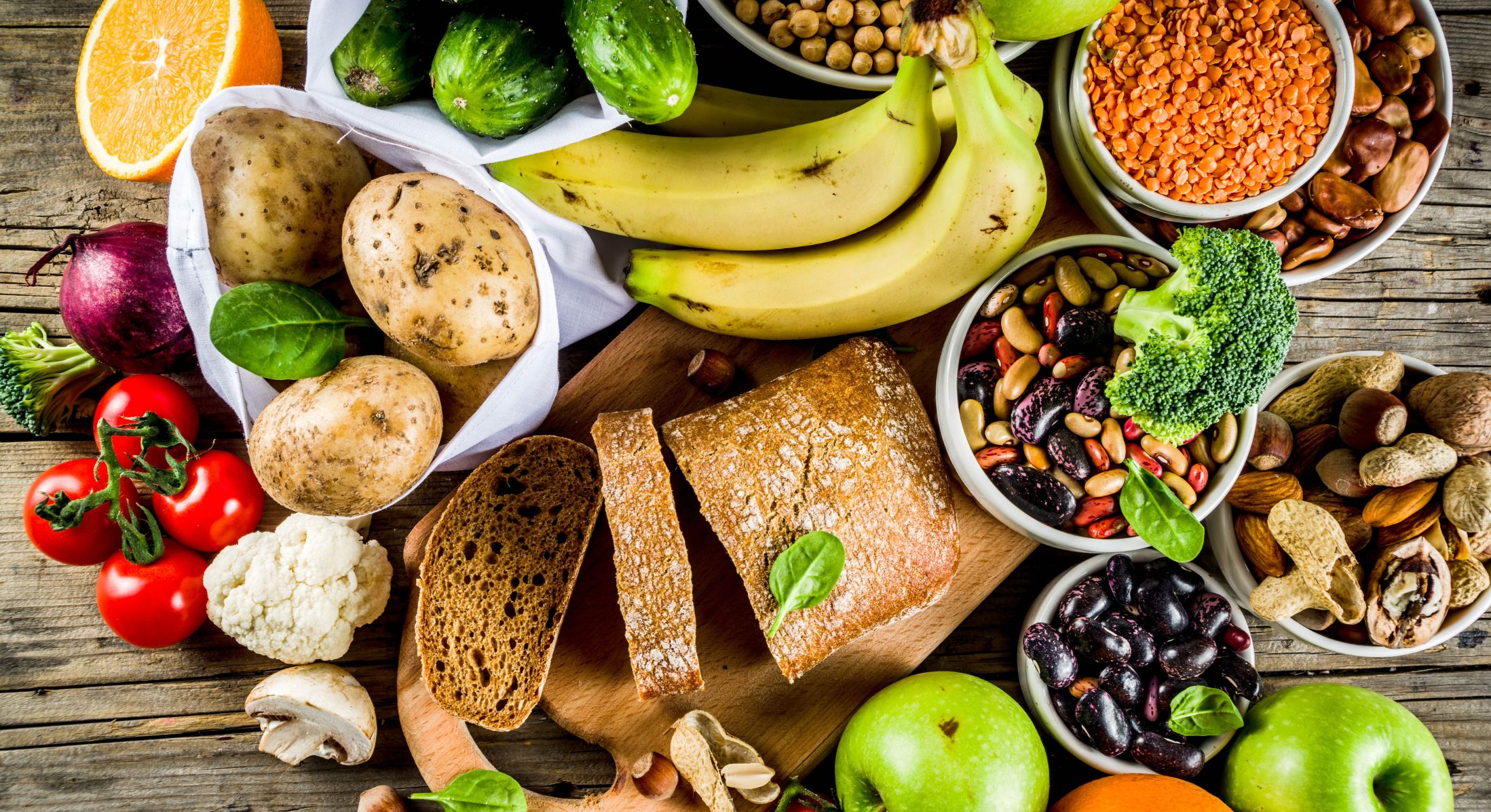
Dietary fiber is commonly regarded as essential for gut health, but emerging research suggests that its benefits may vary based on type, context, and dosage. The 14th edition of the Gut Microbiota for Health Summit highlighted these complexities, featuring contributions from scientists like Dr. Heather Armstrong from Alberta, Canada, and Prof. Jens Walter from Cork, Ireland, who provided fresh perspectives on fiber consumption.
Read More
Dietary fibers, which are long chains of sugar molecules that the human body cannot digest, play a significant role in shaping the gut microbiota. Some fibers can be fermented by gut bacteria, yielding beneficial compounds and gas, while others are not fermentable. Current guidelines recommend a daily fiber intake of 25 to 35 grams, yet many people only consume 15 to 20 grams. This discrepancy has led to a push for increased fiber intake without a thorough understanding of the different types of fiber and their effects.
Fibers are categorized into three main types based on their properties: viscous fibers (such as psyllium and β-glucan) which slow down nutrient absorption; fermentable fibers (such as inulin and resistant starch) that serve as food for gut bacteria; and bulking fibers (like cellulose) that help increase stool volume and promote regular bowel movements.
However, not all fibers are universally beneficial. Dr. Armstrong's research indicates that in individuals with disrupted gut microbiota, such as those with inflammatory bowel diseases (IBD), fermentable fibers may not be effectively processed. In such cases, these fibers can worsen symptoms by triggering inflammation rather than improving gut health.
Moreover, Dr. Armstrong's findings point to certain fibers like fructans, which can become pro-inflammatory when consumed in excess through supplements. While typically found in moderate amounts in a balanced diet, high concentrations in processed foods can lead to adverse gastrointestinal effects.
Conversely, fibers like pectin, typically found in fruits, may help alleviate negative effects of other fibers under certain conditions. Therefore, Dr. Armstrong's team suggests a more personalized approach to fiber intake, advocating for a gradual introduction of various types of fibers to allow the microbiota time to adjust.
Prof. Walter's research emphasized that dietary benefits cannot be attributed solely to fiber. He highlighted the advantages of a non-industrialized diet (NiMeRT) in improving metabolic health indicators while noting that isolated fiber supplements did not achieve similar improvements. The study underlines the importance of considering the food matrix—the complex structure of whole foods—to maximize fiber benefits.
The summit's findings advocate moving beyond the simplistic message of "eat more fiber" to recognizing the intricacies of fiber types, their interactions within the food matrix, and individual variations in gut microbiota. This comprehensive understanding is essential for optimizing dietary fiber intake.