GAINESVILLE, Fla. — A study from researchers at the University of Florida’s College of Medicine and The Johns Hopkins Bloomberg School of Public Health highlights the critical need for treating sleep apnea. The findings indicate that untreated sleep apnea is linked to a 69% faster decline in cognitive function over a period of 10 years.
Read More
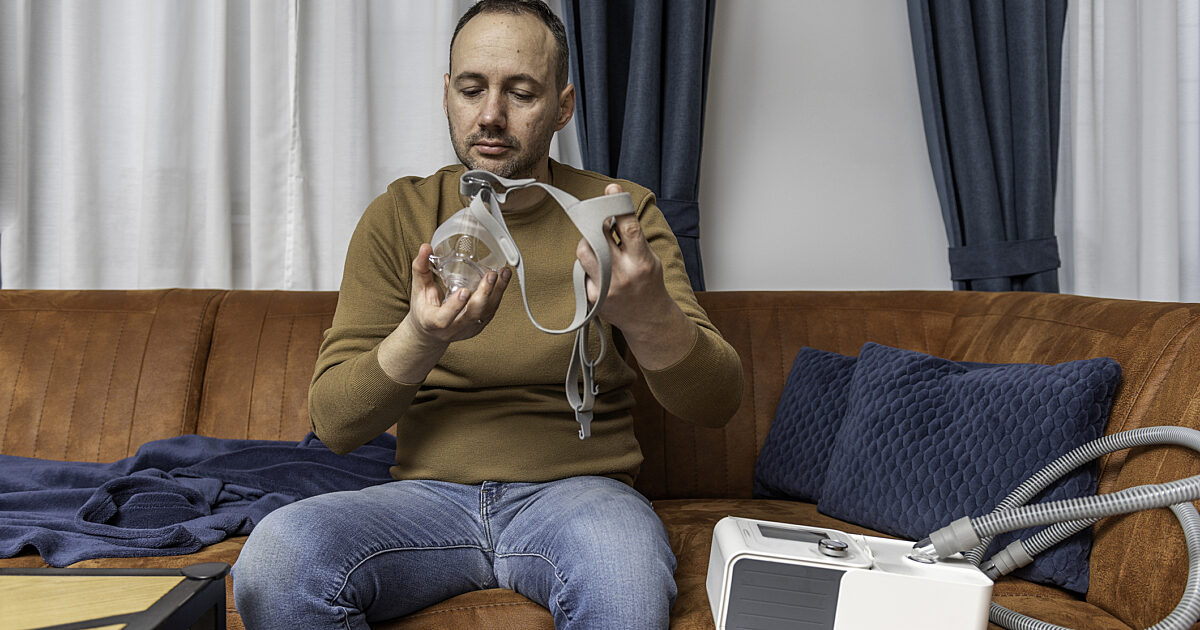
Sleep apnea is a condition characterized by interruptions in breathing during sleep, often unnoticed by those who suffer from it until observed by others. Treatment typically involves the use of a continuous positive airway pressure (CPAP) machine, which can vary in effectiveness based on individual adherence to usage.
Christopher Kaufmann, Ph.D., an assistant professor at UF and the lead researcher of the study, stated, "While people with sleep apnea may not all see the short-term benefit of using a CPAP, using it for longer, sustained periods can help offset cognitive decline."
Utilizing a decade's worth of Medicare claims data alongside annual cognitive assessments, the researchers examined the connection between sleep apnea and the gradual decline of brain function with age. This study builds on previous research that investigated the relationship between CPAP use, cognitive performance, and dementia.
Kaufmann emphasized the detrimental effects of oxygen deprivation on the brain, noting, "We know there are biological factors underlying dementia. The question is, if we treat something like sleep apnea, can we prevent cognitive decline? Can we even prevent or delay the onset of Alzheimer’s disease?"
There are two primary types of sleep apnea: obstructive sleep apnea, which occurs when throat tissues collapse and obstruct the airway, and central sleep apnea, which arises when the brain fails to signal the muscles required for breathing.
Unlike earlier studies that only observed the effects of obstructive sleep apnea treatment on cognition for shorter periods—approximately six months—this current research examines the implications of up to 10 years of treatment.
Kaufmann remarked that a CPAP is seen as the gold standard in sleep apnea treatment but noted a significant variability in access and timely diagnosis. He posited that improving access to treatment could greatly enhance cognitive health outcomes at a population level.
Despite limited success with medications for dementia treatment, Kaufmann noted that a focus on modifiable risk factors, such as sleep apnea, is becoming increasingly important. Adam Spira, Ph.D., the study’s senior author from Johns Hopkins, underscored that the research adds weight to the argument that obstructive sleep apnea is a modifiable risk factor for dementia by linking treatment to better cognitive health.
Researchers estimate that over 40% of dementia cases globally may be related to lifestyle factors, including sleep issues. Kaufmann concluded that enhancing the accessibility of sleep apnea treatment could play a significant role in slowing cognitive decline and potentially preventing future dementia.