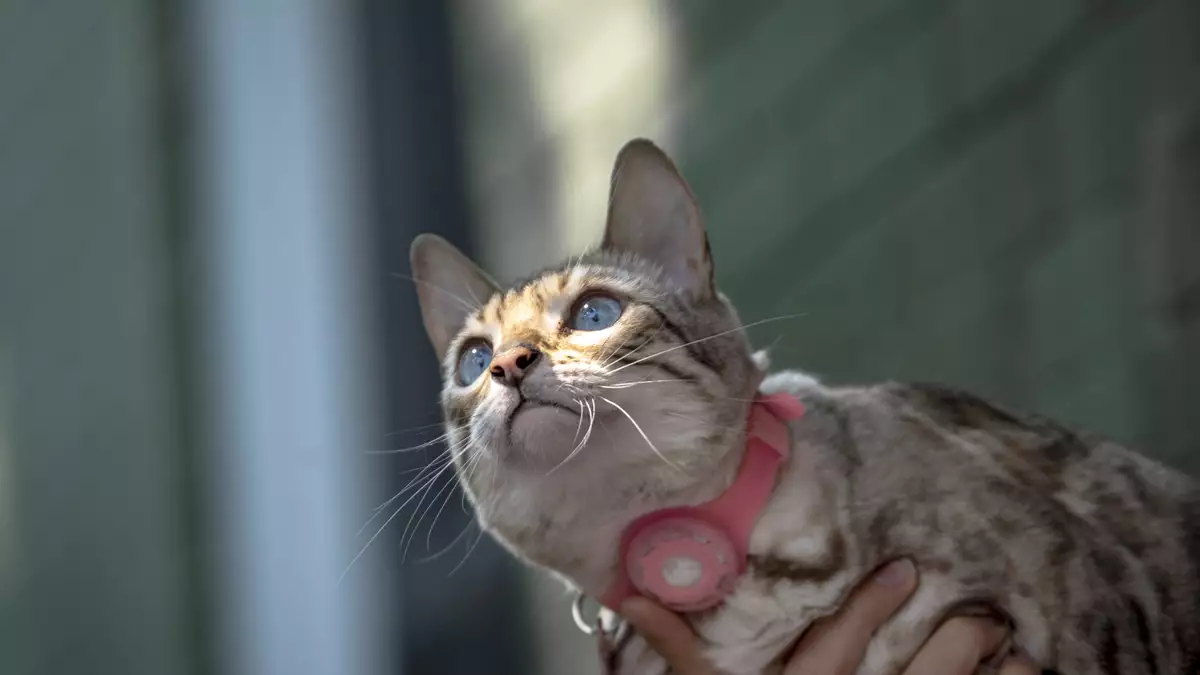
A new study published in the World Journal of Pediatrics indicates that children living in households with cats may face higher levels of behavioral issues and anxiety. Spanish researchers conducted the study on nearly 1,900 families, discovering that children aged 4 to 5 in cat-owning households exhibited more signs of anxiety and emotional challenges by the ages of 7 or 8.
Read More
The researchers suggest that cats, which require less interaction and maintenance compared to dogs, may result in decreased outdoor play and social activities for children. Alternatively, it is possible that families with already stressed children choose cats for their lower care requirements.
It is crucial to highlight that the study is correlational; it does not assert a direct causation between cat ownership and anxiety. The researchers also investigated other pet ownership situations, finding that pets such as hamsters and turtles might have positive effects on children's mental health. These results are in line with previous studies showing that different types of pets can influence children's well-being in various ways.
This research is part of the INMA project, which analyzes environmental factors impacting child development. The researchers advocate for further studies to comprehensively understand the intricate relationship between pet ownership and mental health in children.